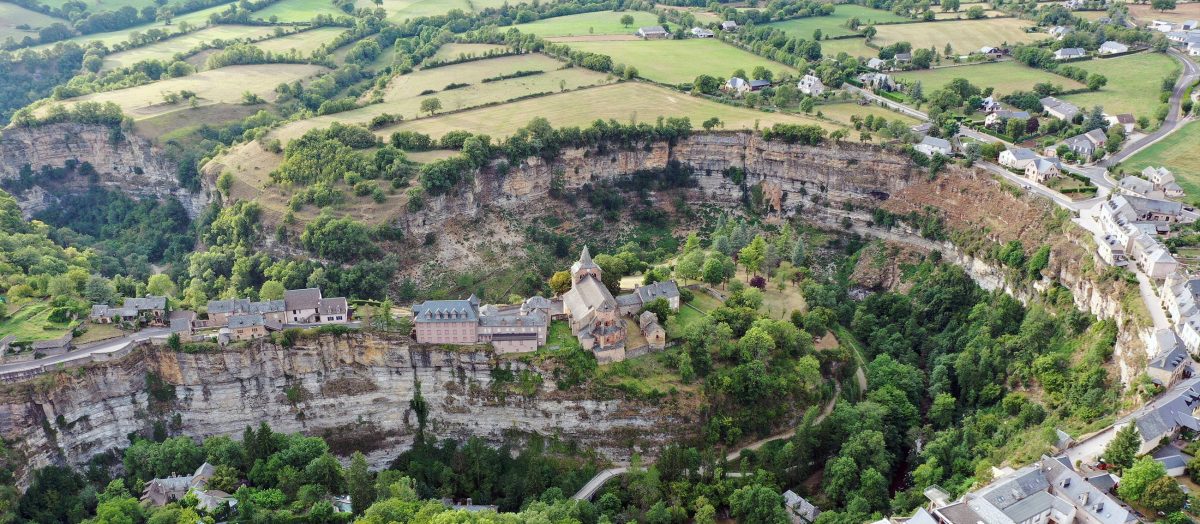
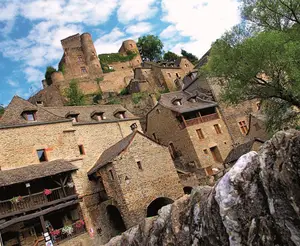

Nestled in the Aveyron valley, Belcastel is arranged around a perched medieval castle, an arched bridge and a 15th-century church. But the village also owes much to the architect Fernand Pouillon, who restored the castle and then helped revive the village from the 1970s onwards.
The castle above the river
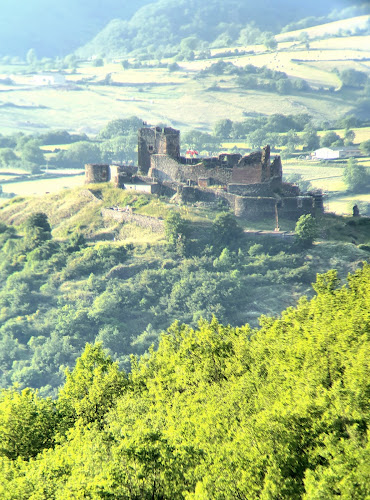
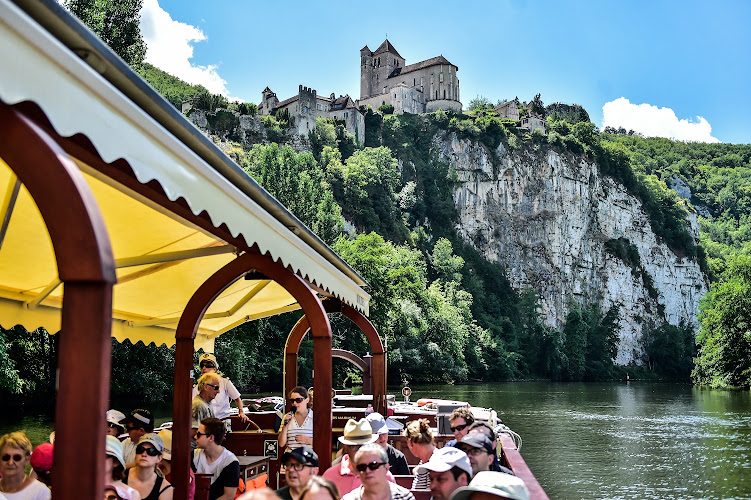
The Château de Belcastel overlooks the village directly. The complex reveals several centuries of defensive architecture, combining fortress, restored spaces and deliberately preserved ruins.
The site also offers beautiful views of the Aveyron valley and the village's stone-slab roofs. Opening times and exhibitions may vary by season, so check the castle's information before visiting.
Fernand Pouillon's restoration
Belcastel's recent history is inseparable from the architect Fernand Pouillon. He discovered the castle ruins in 1973, bought it in 1974 and carried out a restoration lasting eight years, from 1974 to 1982.
After the castle, Pouillon also contributed to the restoration of several village houses, seeking to preserve the consistency of their proportions, materials and historic forms. His work largely explains the architectural harmony visible today.
Cross the stone bridge
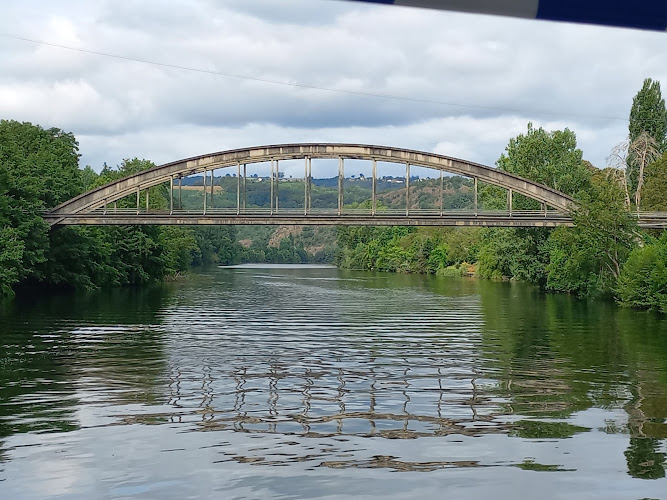
The arched bridge spanning the Aveyron is one of Belcastel's iconic sights. It links the two banks and provides one of the best views of the castle perched above the village.
Take time to look at the site from the riverbanks: the relationship between river, bridge, houses and castle is essential to understanding the village's layout.
The 15th-century church
On the opposite bank, the 15th-century church completes the heritage setting. It provides a more restrained counterpart to the castle and extends the walk beyond the narrow streets of the centre.
The neighbouring cemetery holds the grave of Fernand Pouillon, who wished to be buried in Belcastel, at the foot of the castle he restored.
Stone houses and stone-slab roofs
Belcastel retains a very harmonious architectural character, with stone houses and stone-slab roofs following the contours of the valley. A walk through the village is as much about this continuity of materials and proportions as its major monuments.
Some sections are noticeably steep, particularly on the way to the castle. Good shoes are recommended.
With children
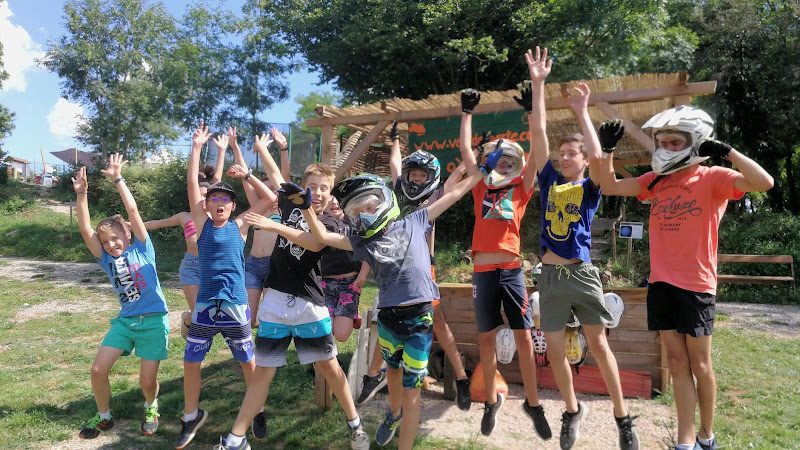
The village lends itself well to a family visit thanks to its striking visual landmarks: castle, bridge, river and narrow streets. The castle also offers activities and exhibitions at certain times.
The terrain can tire younger children; it is best to alternate the climb towards the castle with a break beside the Aveyron.
Gastronomy and local life
Belcastel is also known for its fine dining and summer events. This helps make the village a living place rather than simply a heritage backdrop.
Visiting tip
To appreciate the whole setting, start with the riverbanks and bridge before climbing towards the castle. This approach offers the best sequence of views of the village and helps explain the restoration work undertaken from the 1970s onwards.
For castle visits, exhibitions and activities, check the latest information before visiting.