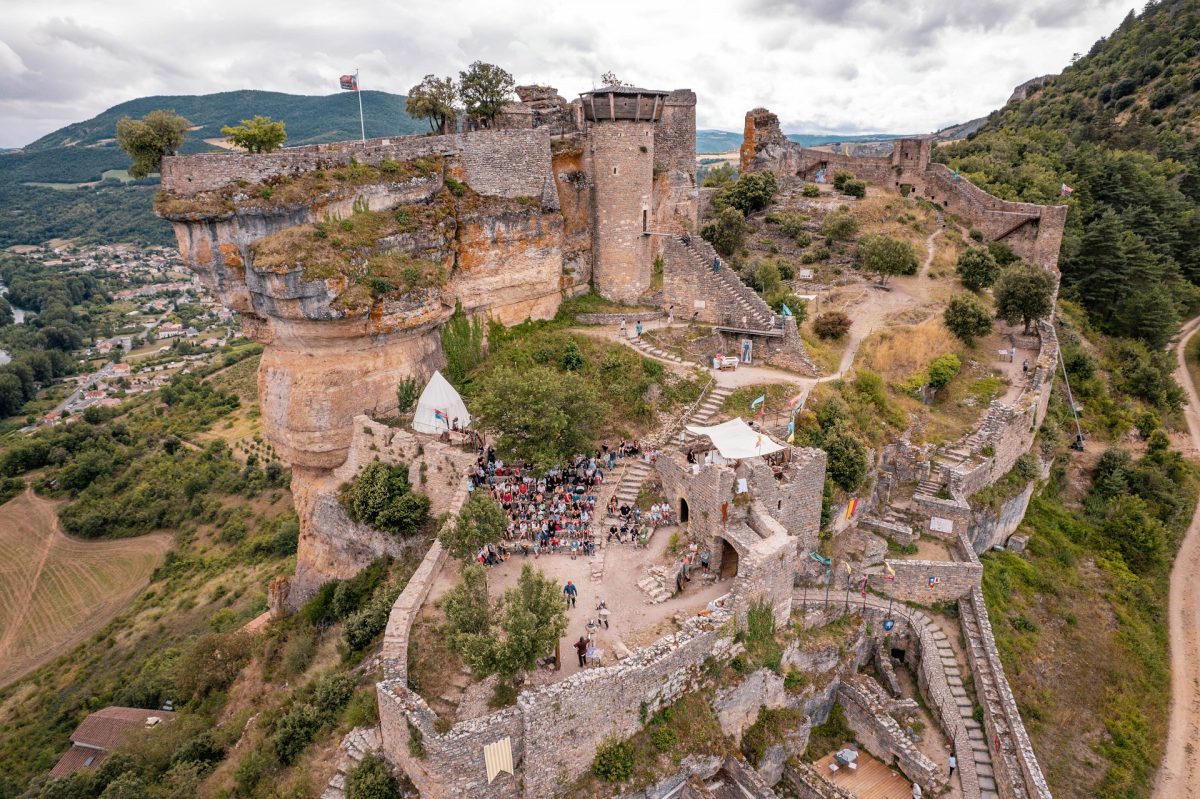
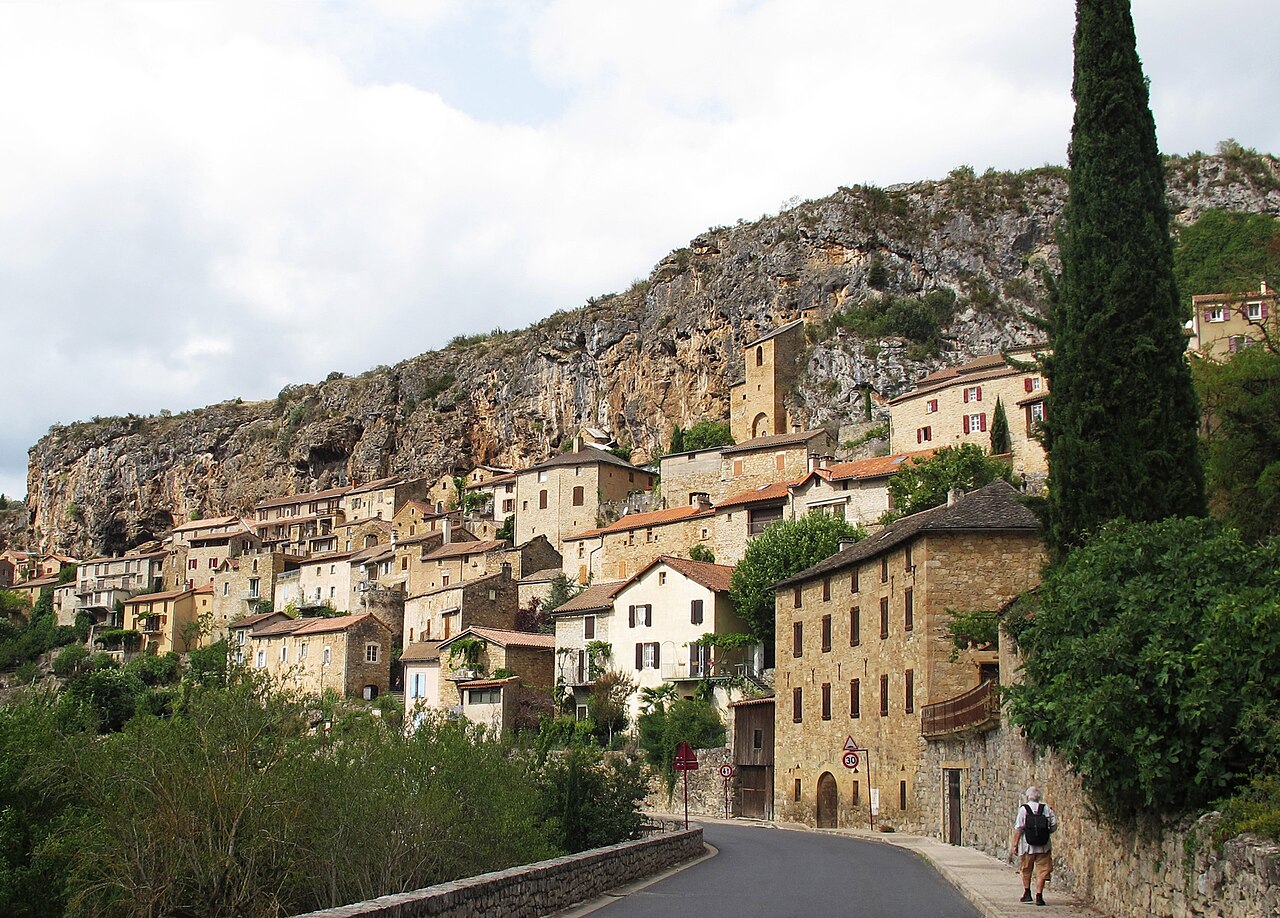

Just a few kilometres from Millau, Peyre clings to a tufa cliff above the Tarn, facing the famous Millau viaduct. Listed among Les Plus Beaux Villages de France, this hamlet in the municipality of Comprégnac stands out for its partly rock-cut houses, stone-paved lanes and remarkable church built into the rock.
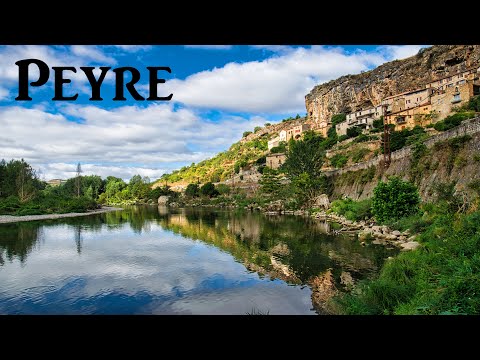
A village clinging to the cliff
Peyre is explored on foot, following its narrow stone streets winding between houses backed against the rock. The tufa, hollowed out by natural and man-made cavities, gives the village a very distinctive outline and an almost Mediterranean atmosphere.
The site is compact, but the changes in level are real. Take time to climb gradually: views over the Tarn valley become broader as you walk.
The partly rock-cut Saint-Christophe church
The église Saint-Christophe is Peyre's most unusual monument. Built directly against the cliff, it is partly carved into the rock. Romanesque in origin, then altered and fortified over the centuries, it served several purposes before being restored.
Its interior combines raw stone and contemporary stained glass. Exhibitions are held here at certain times; check opening arrangements if you wish to go inside.
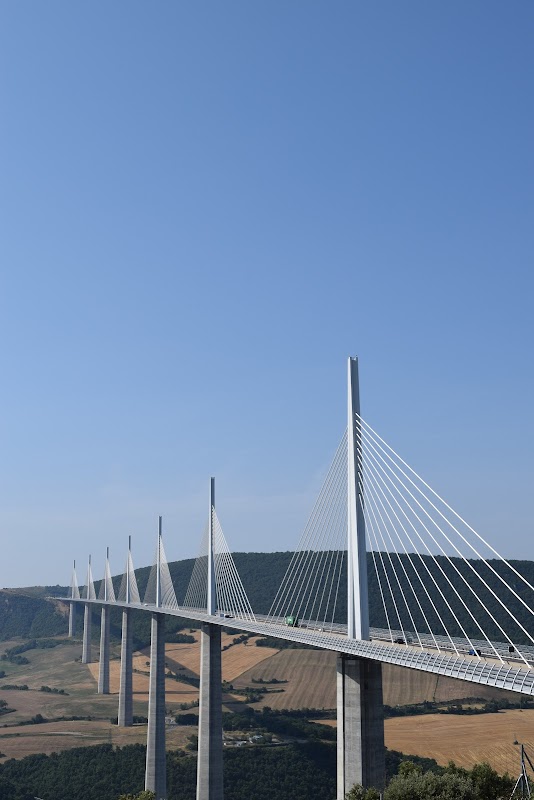
One of the best viewpoints over the Millau viaduct
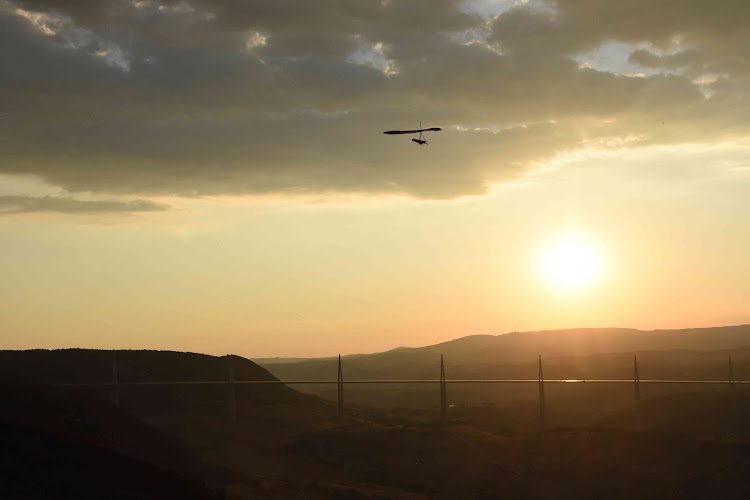
Peyre offers a spectacular perspective on the Millau viaduct, visible across the Tarn. The contrast between this old village clinging to the cliff and the contemporary structure by Norman Foster and Michel Virlogeux is one of the area's most striking images.
The Parking du Rocher, highlighted by the Les Plus Beaux Villages de France network, has picnic tables and makes a good stopping point to enjoy the panorama.
An interesting visit with children
The village works very well for families thanks to several playful approaches. A Randocroquis with 10 stations teaches you to draw the village and valley, while a short walk leads to dinosaur footprints discovered near Peyre.
Children can therefore alternate between heritage, observing the viaduct and scientific discovery rather than following a purely architectural visit.
The Tarn, swimming and outdoor activities
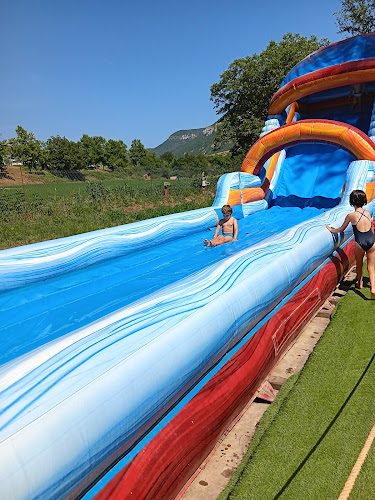
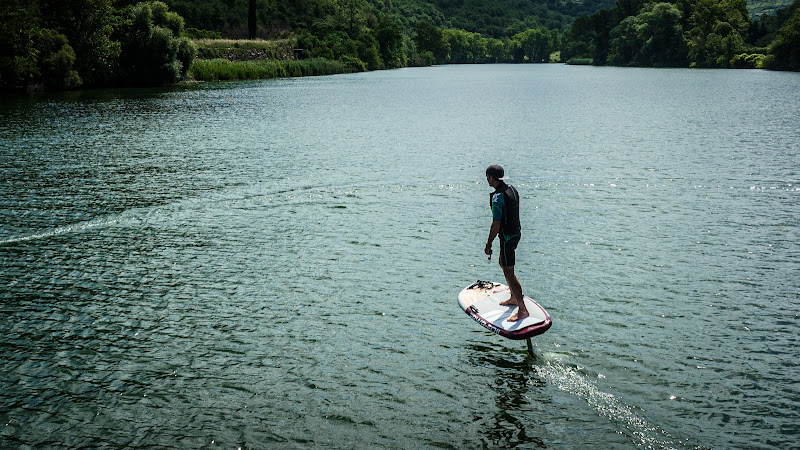
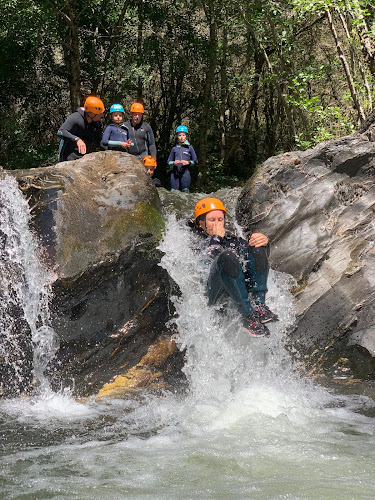
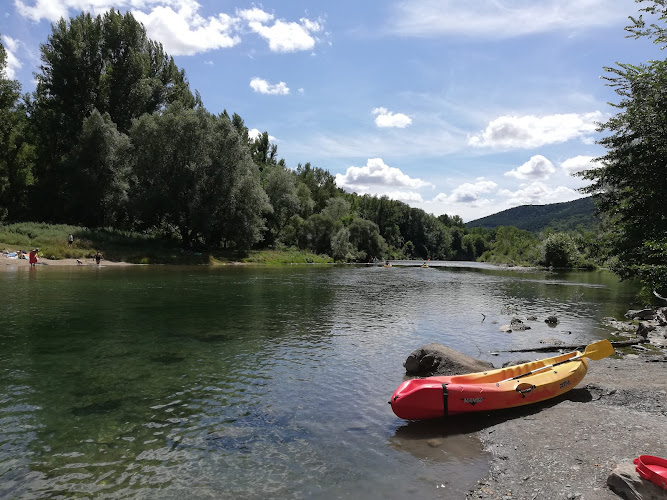
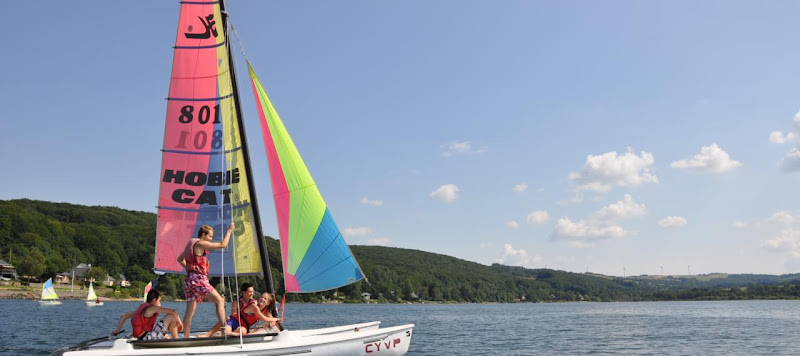
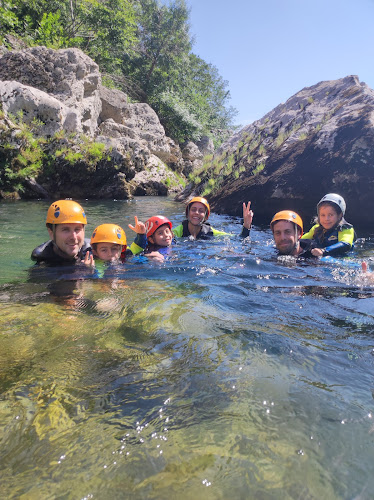
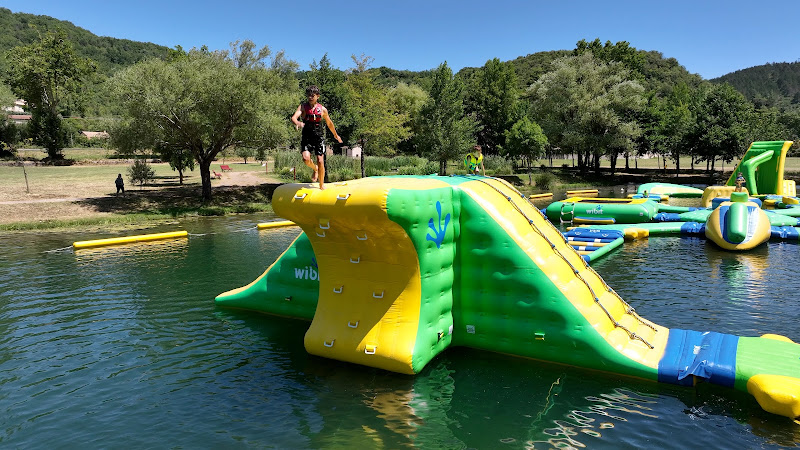
Below, the banks of the Tarn let you extend your visit with a waterside break. Depending on the season, water sports are available in the area, including canoeing, kayaking and paddleboarding.
For more active visitors, several mountain-bike routes also start nearby. The Navas route, for example, is a difficult loop of around 32 km with significant elevation gain, so it is intended for experienced riders.
Accessibility and parking
The Les Plus Beaux Villages de France network states that Peyre has two visitor car parks, with charges applying to all or part of them depending on the period. The village is described as accessible to people with reduced mobility and pushchairs, although some sloping lanes and stone paving are naturally less comfortable.
How much time should you allow?
Allow 1 hour to 1 hour 30 minutes to walk around the village, see the church and enjoy the main viewpoints. With the walk to the dinosaur footprints, a break beside the Tarn or a water sport, allow half a day instead.
What can you see around Peyre?
Peyre lies around 7 km downstream from Millau. The village therefore combines very easily with the Millau viaduct, the town itself or a day in the Parc naturel régional des Grands Causses.
Photo credit Wikipedia