
Côtes-d'Armor
Pêche en mer à Erquy - Pêche Evasion
Pléneuf-Val-André

Which plan?
New plan
A plan
Added to your plan
This activity is part of “ ”. There are step(s) left.

will appear in your favourites and will be boosted. You can sign in to keep your favourites beyond this browser.
Tuna, amberjack and sometimes marlin require suitable rods, reels and tactics. Offshore big-game fishing targets these large fish from a boat, by trolling, chumming or using lures. It is neither a boat sightseeing trip nor simply bottom fishing close to shore.
Pléneuf-Val-André
Which plan?
New plan
Added to your plan
This activity is part of “ ”. There are step(s) left.


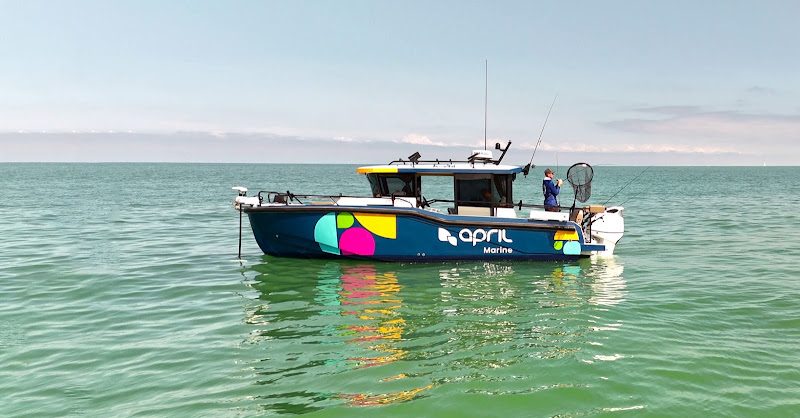

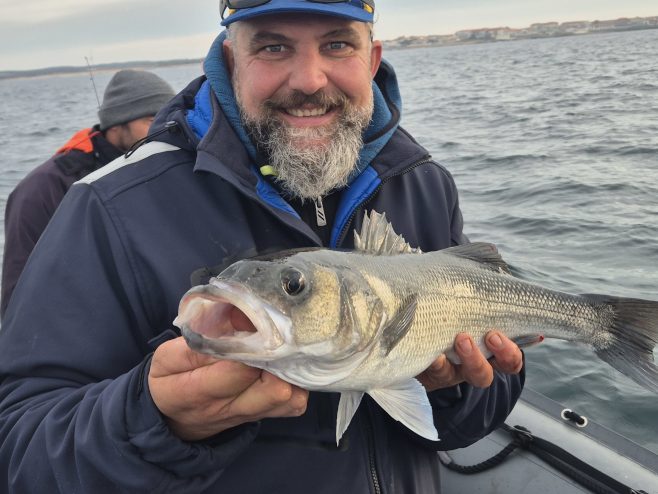
La Rochelle
Guided sea-fishing trips from La Rochelle or Île de Ré, from age six, with fishing equipment provided and tech...
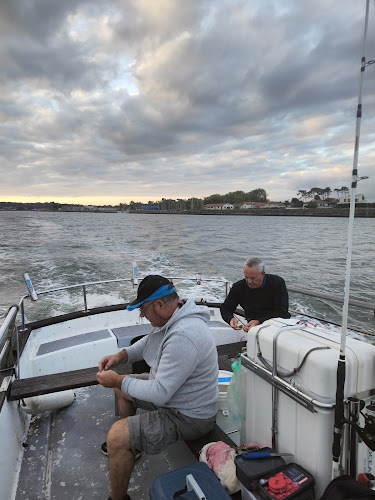
Anglet


Le Grau-du-Roi · near La Grande-Motte


Fos-sur-Mer · near Carry-le-Rouet


Saint-Cyr-sur-Mer · near Gémenos

Know a spot?
A place missing here? Suggest it and we will check it before publishing.
Checked on
Big-game fishing targets powerful fish such as tuna, amberjack, swordfish and marlin, depending on the coastline and permitted species. It uses rods and reels designed for fighting fish, sometimes with a stand-up fighting harness. A standard sea-fishing trip, by contrast, may target smaller fish with handlines or bottom rigs, without this specialised equipment.
Yes. To target bluefin tuna recreationally in the eastern Atlantic or Mediterranean, the vessel must have an annual permit issued by the DIRM, including for catch-and-release fishing. Landing a fish also requires an authorisation allowing it, an open season and a tagging band. A big-game fishing trip therefore never automatically gives you the right to keep a tuna.
In big-game fishing, trolling pulls lures behind a moving boat; chumming attracts fish with a trail of bait carried by the current. Jigging works a metal lure up and down the water column, while casting sometimes targets fish feeding at the surface. The choice depends on the target species, its depth and behaviour, not just the boat.
An introduction to offshore sport fishing begins with safety instructions and an explanation of the rods, reels and drag that controls a running fish. Then comes navigation and looking for signs of activity: birds, shoals of baitfish and fish-finder readings. When a fish takes the bait, the guide explains how to fight it and, where appropriate, release it. A day may end without a catch: a bite is never guaranteed.
The French Ministry of Sports distinguishes the BPJEPS « pêche de loisirs », which notably covers introduction to fishing from the shore, from the UCC « pêche de loisir en milieu maritime », intended for learning programmes at sea. For a paid big-game fishing trip, ask who provides technical instruction and who commands the vessel: guiding anglers and ensuring safe navigation are two separate responsibilities to check.
In recreational sea fishing, retained catches are for personal consumption: selling them is prohibited. Minimum sizes, seasons and tagging rules vary by species. For bluefin tuna, catch and release requires the fish to be released immediately and alive; keeping it requires the appropriate permit and a tag. Check the advertised catch policy before choosing a trip.
Since 2026, RecFishing has required recreational fishers concerned, aged 16 and over, to register and report catches of sensitive species. In the Mediterranean, registration applies widely to recreational fishing; in the Channel and Atlantic, it depends in particular on the target species. Bluefin tuna remains subject to its separate authorisation system. These rules should be checked again each year.
Each town opens the page of nearby places, with photos, reviews and direct contact.