
Factory and artisan workshop visits
126 experiences
Added to your favourites
will appear in your favourites and will be boosted. You can sign in to keep your favourites beyond this browser.
Un aperçu : 8 lieux, un par région


Var
DMB Céramique - handmade tableware in Montauroux
Montauroux
In rue des Potiers in Montauroux, Mathilde and Adriano shape and decorate earthenware, mugs and ceramics by ha...

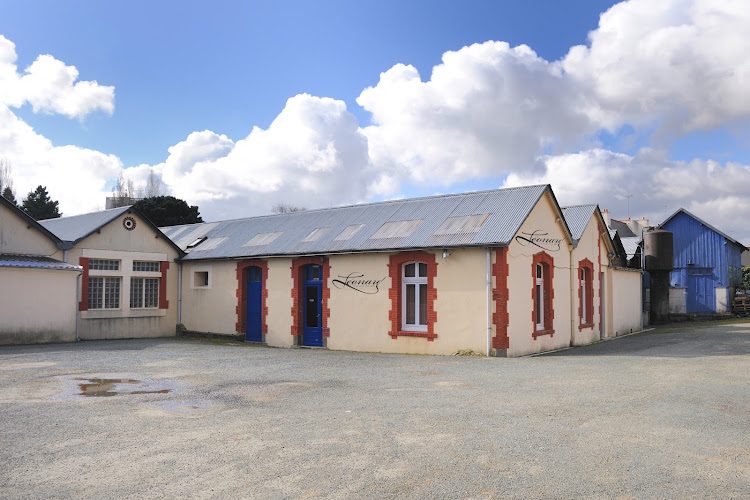
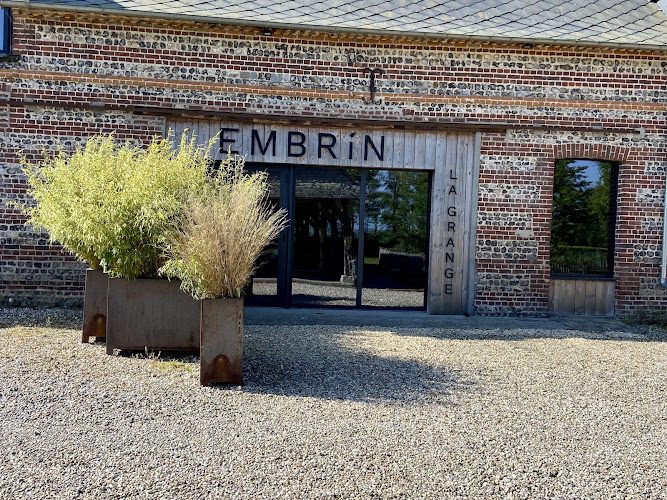
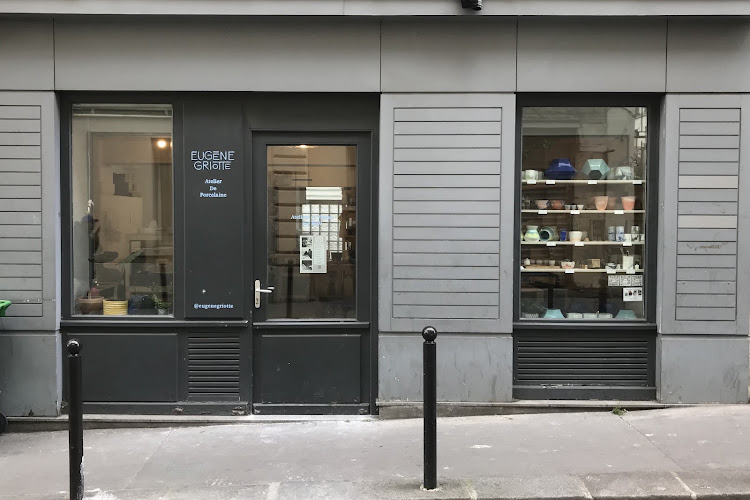
Watching skilled hands turn raw materials into finished objects, hearing the machinery and asking questions of those who operate it: this is the appeal of visiting a manufacturing workshop or artisan's studio. Porcelain, glass, leather, textiles, perfume and slate all offer ways to understand a craft at its place of production.
What to know before booking: factory and artisan workshop visits
Checked on
What might prevent you from seeing artisans at work despite a tour being advertised?
A factory shop or brand museum may display products without opening its production workshops. Check that the manufacturing tour actually shows the production techniques, a demonstration or machinery in operation. Production may stop on certain days: ask whether the artisans will be working during your booked slot.
Does the Entreprise du patrimoine vivant label guarantee a workshop tour?
No. The government-backed Entreprise du patrimoine vivant (EPV) label, overseen by the Direction générale des Entreprises, recognises businesses with exceptional industrial or artisanal expertise for five years; it does not require them to open to the public. An accredited business may only offer occasional visits or group tours. Always check available slots.
What can you see at a glassblower's, ceramicist's or slate worker's workshop?
A glassblower works molten glass using a blowpipe, a ceramicist may demonstrate throwing, glazing and firing, while a slate worker splits stone into thin sheets. The Verreries de Bréhat, Manufacture de Sèvres and Pans de Travassac illustrate these trades; demonstrations depend on actual production hours.
What is the difference between visiting a manufacturing workshop and making an object yourself?
A workshop tour focuses on observing techniques, machinery and finished products. A craft course lets you practise a technique under an artisan's guidance and may result in an object to take home. A very short introductory session does not necessarily grant access to every area of the factory: check what is actually included.
What should you check before entering a working manufacturing workshop?
The programme may depend on safety restrictions or the production schedule: hot areas in glassworks, slate dust, weaving machinery or perfumery products. Some tours require closed-toe shoes, advance booking, a minimum age or a restricted route. At Sèvres, opening the workshops does not mean the museum is open; according to the current listing, it is closed for renovation until 2030.
Choisissez une ville, par région
Chaque ville ouvre les lieux autour d’elle, avec photos, avis et contact direct.