Skip to content
Days out and activities near you
Sign in Sign up
Prehistoric sites and painted caves

Prehistoric sites and painted caves

40 experiences
Skip to results

Prehistoric sites and painted caves, but where?

40 spots in France.

Narrow it down to sort spots by distance

Standing before a painted wall or inside an excavated shelter, visitors need to distinguish genuine remains from reconstructions. Prehistoric sites and decorated caves include rock-art caves, shelters and archaeological deposits open to visitors, but exclude purely geological caves and reconstruction parks.

40 spots for prehistoric sites and painted caves in France

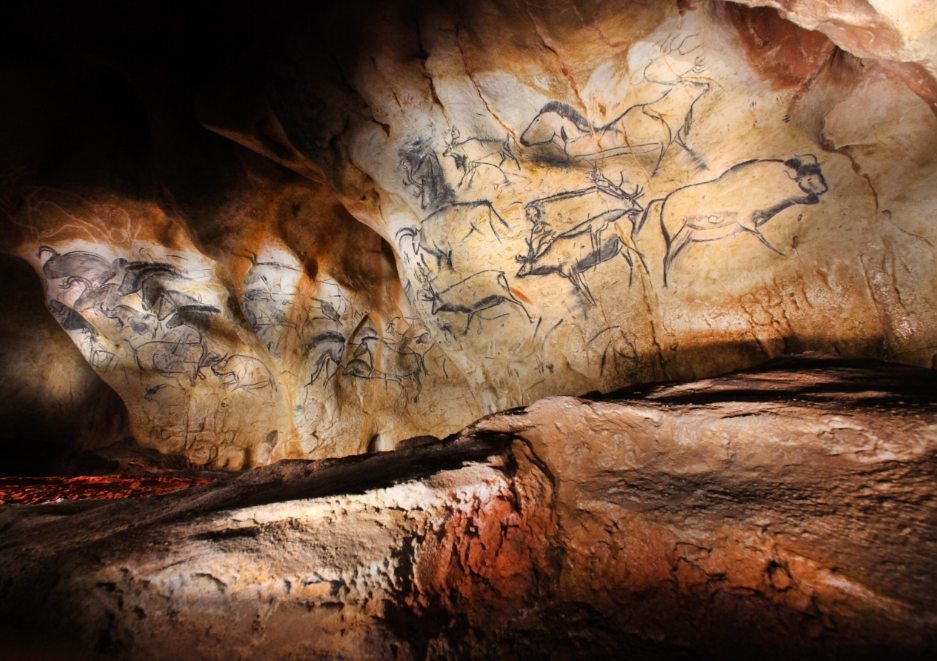
Grotte Chauvet 2 - réplique de la grotte ornée en Ardèche - Vallon-Pont-d'Arc
Famille Plus
Ardèche

Grotte Chauvet 2 - réplique de la grotte ornée en Ardèche

Vallon-Pont-d'Arc · near Pierrelatte

4.5 19,751 reviews

30 of 40 spots shown - narrow down by region below to get straight to the point.

Know a spot?

A place missing here? Suggest it and we will check it before publishing.

What to know before booking: prehistoric sites and painted caves

Checked on

Are all original decorated caves open to the public?

No: protecting decorated cave walls and their microclimate may require a cave to close entirely, admit very small groups or offer visits accompanied by an educator. The French Ministry of Culture notes that heritage designation does not grant permission to visit. Access to a replica gives no right to enter the original cave.

How can you tell an original prehistoric site from a replica?

An original site preserves evidence of occupation or cave art in situ. A replica recreates the decoration in a purpose-built visitor building, as at Lascaux or Chauvet 2. Both tell the story of prehistory but are not interchangeable: the former focuses on original remains, the latter on close examination of the figures.

What's the difference between a rock shelter and a decorated cave?

A rock shelter is a natural overhang that may preserve evidence of habitation, sculpted reliefs or deposits. A decorated cave contains paintings or engravings; an archaeological deposit is studied through its stratigraphic layers. The visible evidence determines whether the visit focuses on art, daily life or excavation.

What does a Palaeolithic site reveal compared with a Neolithic one?

Palaeolithic sites notably show the art and occupation of hunter-gatherers. In the Neolithic, settled communities and new funerary practices left other structures. Atlantic megaliths such as cairns and dolmens form a specialist category and should not be confused with decorated caves.

Get email alerts