
Haute-Savoie
Chamonix Trail By Matt - coaching et stages de trail au Mont-Blanc
Les Houches · near Chamonix

Which plan?
New plan
A plan
Added to your plan
This activity is part of “ ”. There are step(s) left.

will appear in your favourites and will be boosted. You can sign in to keep your favourites beyond this browser.
The terrain matters more than the raw finishing time. Trail and nature running leave tarmac behind for paths where elevation gain, technical difficulty and self-sufficiency transform the effort; this is neither simply a road race moved into a forest nor a hike where pace is secondary.
Les Houches · near Chamonix
Which plan?
New plan
Added to your plan
This activity is part of “ ”. There are step(s) left.
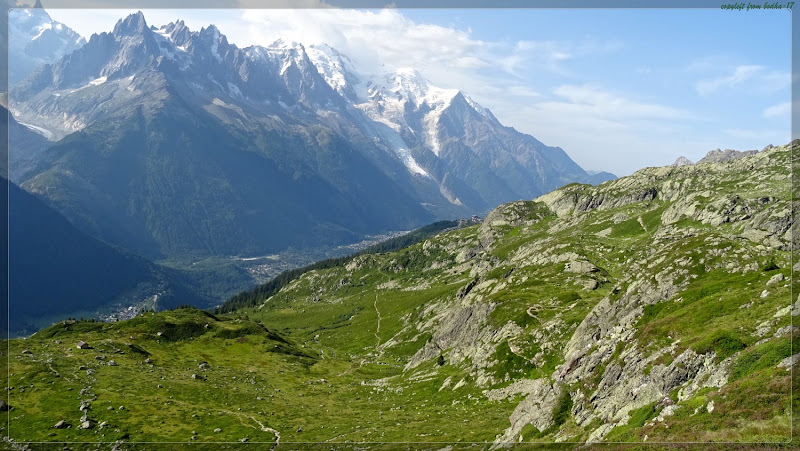
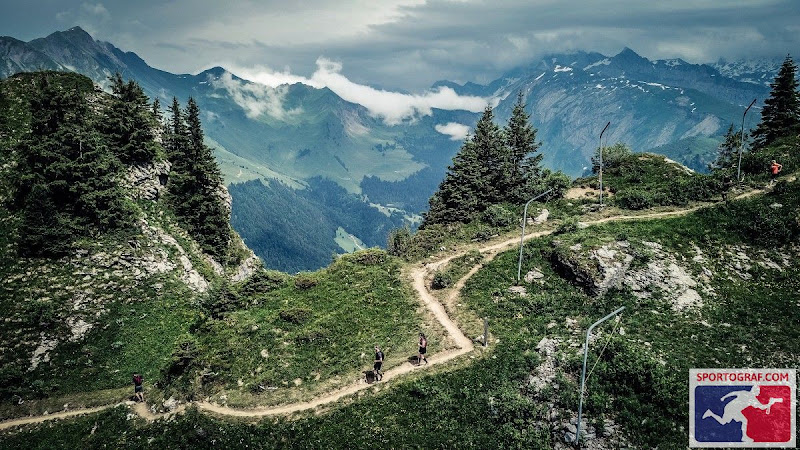

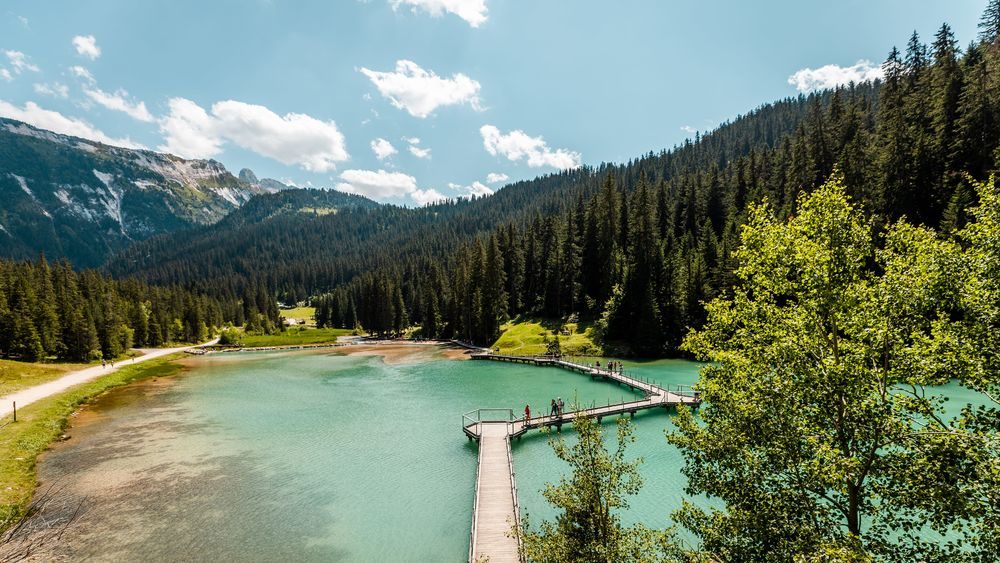


Coulon · near Niort


Know a spot?
A place missing here? Suggest it and we will check it before publishing.
Checked on
Trail running is defined first and foremost by a route in a natural environment and what it demands of the runner: elevation gain (D+), descents, uneven ground and sometimes semi-self-sufficiency. The FFA notably uses the effort-kilometre to compare distance and elevation gain: 100 m of ascent add the equivalent of 1 km to the effort. Two races of the same distance can therefore be completely different.
Distance alone is often misleading in trail running. A 15 km route with 200 m of elevation gain (D+) is nothing like 15 km with 1,000 m of D+: climbing, technical descents and the type of ground determine the actual intensity. The FFA uses the effort-kilometre, which helps compare formats without reducing the choice to the number of kilometres alone.
Paid trail-running instruction falls under Article L212-1 of the French Sports Code: the instructor must hold a qualification registered with the RNCP that is appropriate to the activities they are authorised to teach. Sportsdenature.gouv.fr cites, in particular, the DEJEPS in athletics, the DESJEPS in middle-distance and off-road running, and certain STAPS and multi-activity BPJEPS qualifications. This is a practical criterion to check for a guided introductory session.
An introductory trail-running session teaches you to alternate running and walking uphill, manage elevation gain (D+), place your feet on descents and read an uneven trail. The FFA effort-kilometre benchmark — where 100 m of ascent add the equivalent of 1 km — shows why these techniques matter as much as pace: the terrain directly changes the physical effort required.
Trail races may offer frequent refreshment stations or require semi-self-sufficiency, where runners carry water, food and sometimes compulsory equipment. This requirement increases with the effort-kilometres, duration and remoteness of the route. FFA rules for nature races specifically account for these factors: checking the stated self-sufficiency requirements is therefore as important as checking the distance.
Each town opens the page of nearby places, with photos, reviews and direct contact.