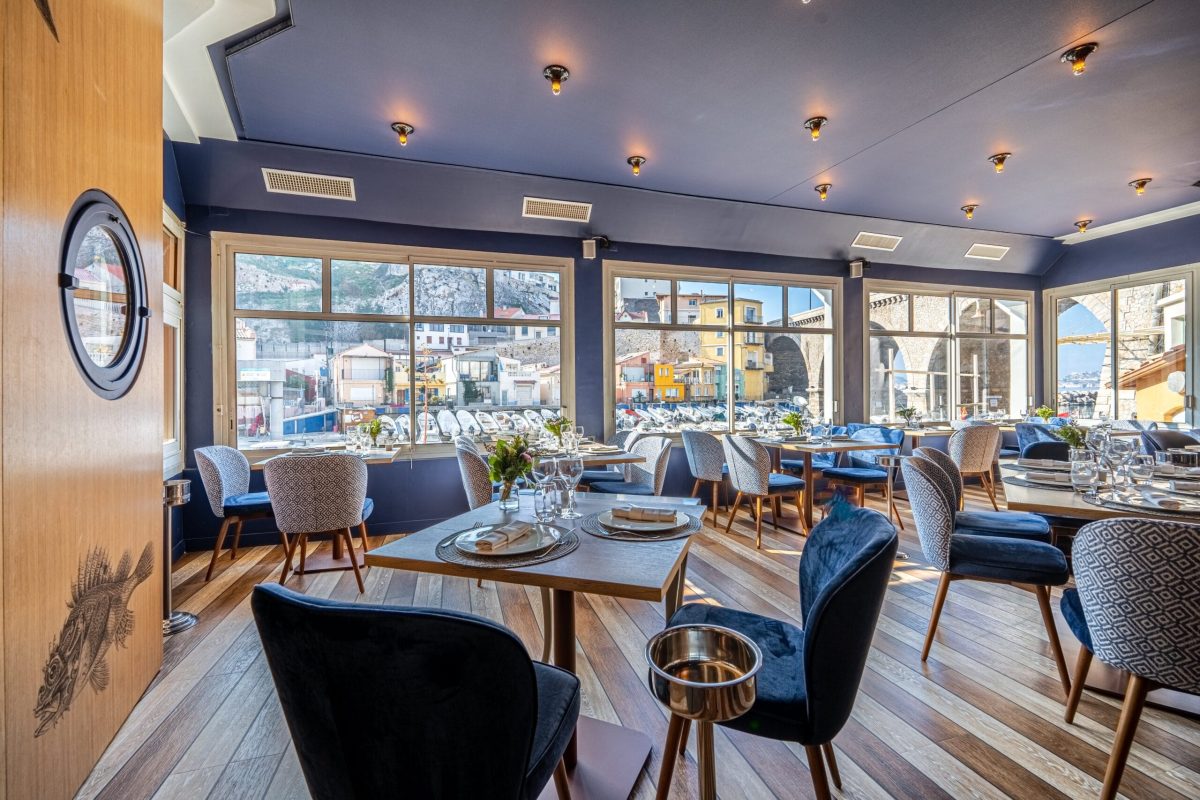

In Marseille's L’Estaque district, a walking trail of approximately two hours reveals landscapes associated with several major turning points in modern painting. Cézanne, Braque, Derain, Dufy, Renoir and Monticelli all worked looking towards the harbour, hills, viaducts and houses of the neighbourhood.
Why is L’Estaque so important to art history?
Few places bring together so many different periods: Cézanne worked here from the 1870s, Braque continued his experiments in the early 20th century, while Derain and Dufy explored the colours and forms of the Mediterranean landscape. Impressionism, Fauvism and Cubism thus overlap within a remarkably small area.
What should you look for on the walk?
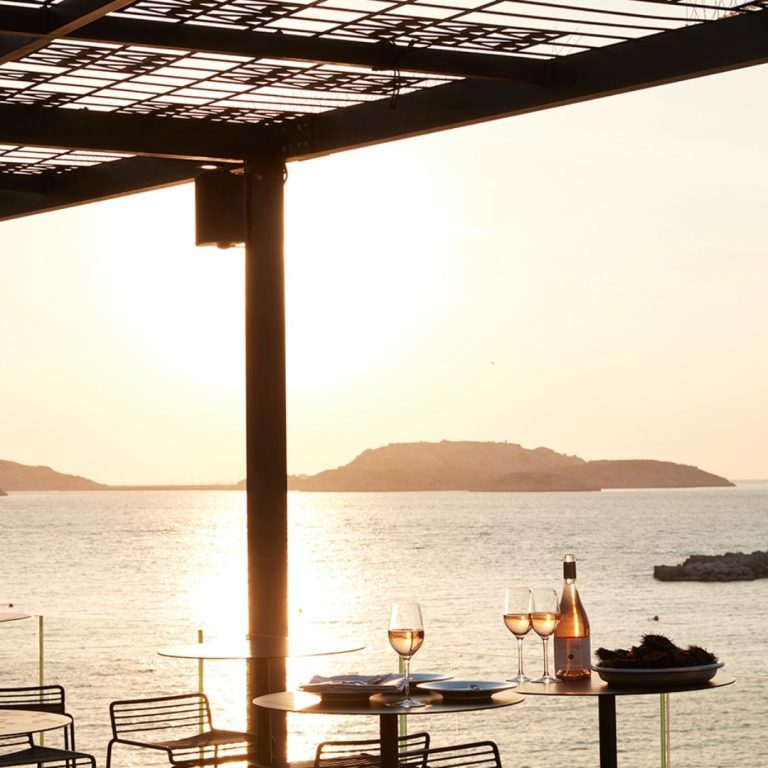
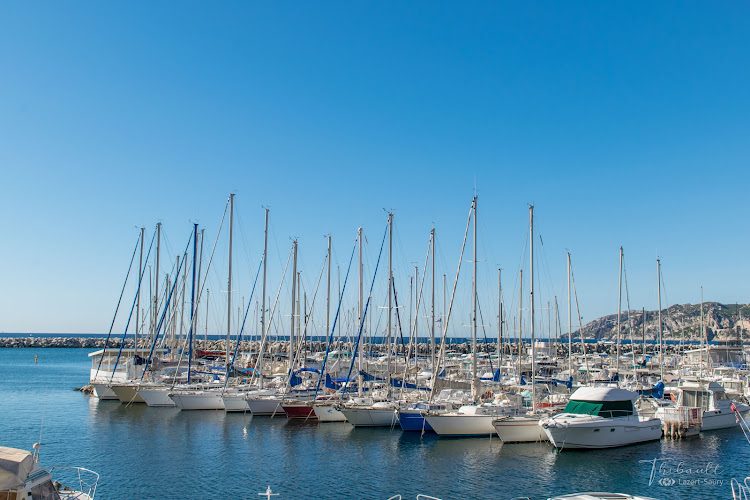
Starting near the harbour, the trail encourages visitors to recognise motifs from the paintings in today's landscape: sea, industrial chimneys, viaduct arches, hills, houses and views over Marseille's bay. It is not simply about following artists' addresses, but understanding why these lines and contrasts inspired their work.
What to know before setting off
The Marseille Tourist Office describes the Painters' Trail as an approximately two-hour walk. The area is hilly in places, so comfortable shoes are appropriate, especially if climbing to viewpoints that interested Cézanne.
An extra detail
L’Estaque lets visitors compare generations working with almost the same subjects. Thinking first of Cézanne and then Braque while looking at a view helps show how a real landscape can become, a few decades later, material for geometric simplification.