Perched in the Pays de Fayence, between inland Provence and the first hills of the Estérel, Seillans is a stone village clinging to the hillside, threaded with cobbled lanes, vaulted passages and small shaded squares. Listed among the Plus Beaux Villages de France, it also stands out for a strong artistic identity associated particularly with Max Ernst and Dorothea Tanning.
Strolling through old Seillans
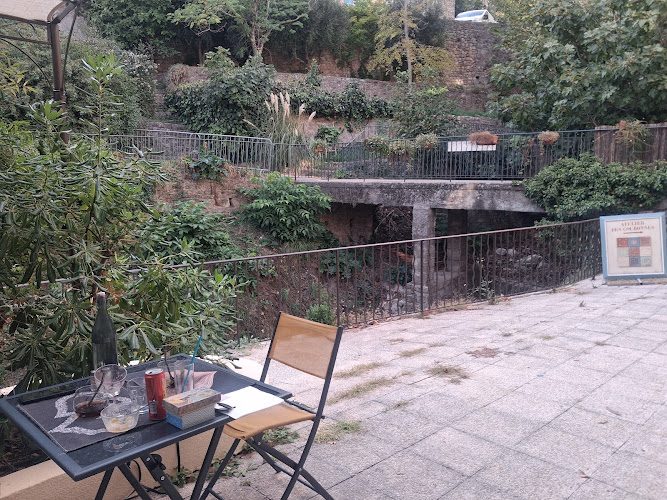
The best way to visit Seillans is on foot, without simply following a main route. The old village consists of narrow lanes, staircases, small squares and covered passages winding around the slope.
The tiered houses, fountains and views across the hills of the Pays de Fayence give the centre a distinctly Provençal character. The terrain is also part of the experience: wear suitable shoes for cobbles and uphill stretches.
Following in the footsteps of Max Ernst and Dorothea Tanning
Seillans owes much of its cultural reputation to the painter and sculptor Max Ernst, who settled here with the artist Dorothea Tanning. Their presence left a lasting mark on the village.
The Maison Patrick Waldberg displays a donated collection devoted to Max Ernst, Dorothea Tanning and the painter Stan Appenzeller, including lithographs, prints and engravings. Visits depend on the tourist information office's opening days: check the arrangements before you come.
At the entrance to the village, you can also see the Génie de la Bastille, a work donated by Max Ernst, near the square where he liked to meet local residents.
A village of artists and craftspeople
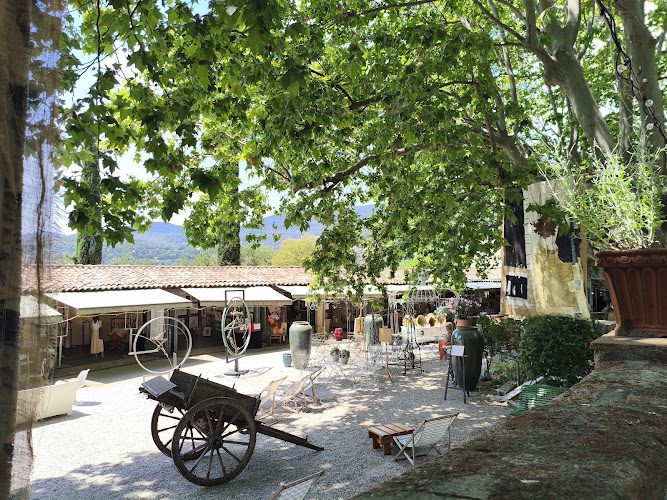
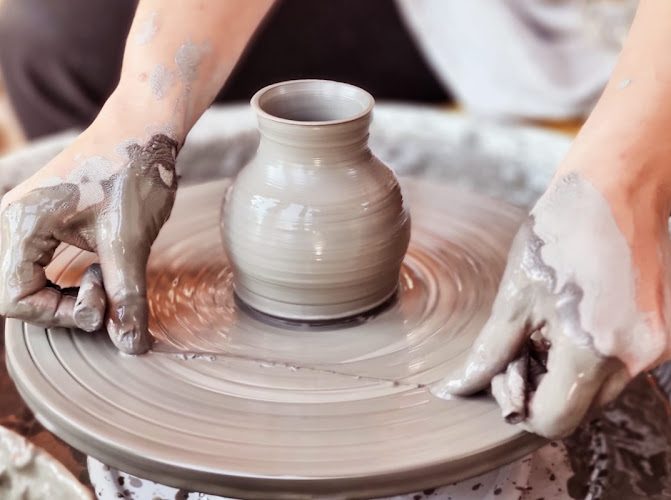
Seillans' artistic identity extends beyond Max Ernst. The former cork factory now houses studios for artists and craftspeople, while several galleries and workshops are dotted around the village.
This creative side complements its architectural heritage: Seillans remains a lived-in, active village, not just a historic backdrop.
Vines, olive trees and landscapes of the Pays de Fayence
Around the village, the landscape alternates between hills, vines and olive trees. Seillans lies in a wine-growing area associated with Côtes de Provence, and olive oil is another local product highlighted by the region.
To appreciate the setting fully, take time to venture a little beyond the historic centre: the countryside views explain Seillans' charm just as much as its lanes.
Visiting Seillans with children
Exploring can work well for families whose children enjoy discovery: vaulted passages, fountains, steps and small squares give the walk an almost maze-like quality.
However, steep slopes and cobbles make some areas less comfortable with a pushchair. The tourist information office is wheelchair-accessible, but the Max Ernst donated collection exhibition, spread across several levels with a spiral staircase, is not.
Practical advice
Seillans is best explored on foot. The tourist information office on place du Thouron has parking nearby and is a good starting point for picking up a map or checking when cultural venues are open.
Avoid rushing through the old village: much of its appeal lies in detours, views opening up between buildings and architectural details.
What to see around Seillans?
Seillans fits well into a day exploring the hilltop villages of the Pays de Fayence. Bargème is around a dozen kilometres away according to the Plus Beaux Villages de France network, while Fayence and Lac de Saint-Cassien offer further sightseeing and outdoor opportunities.